Please fill out the form below to request a quote or to request more information about us. please be as detailed as possible in your message, and we will get back to you as soon as possible with a response. we're ready to start working on your new project, contact us now to get started.
One shop wholesale commercial grade casinos, nightclubs, restaurants, and outdoor hospitality spaces- WSD Seating
How Can Aluminum Restaurant Chairs Be Optimized For High-Density Seating Layouts?
2026-01-21
WSD Seating
18
Looking to maximize space without sacrificing style and comfort in your restaurant? Aluminum chairs are a popular choice for their durability and sleek design, but optimizing them for high-density seating layouts can be a challenge. In this article, we explore innovative strategies and practical tips to make the most of aluminum restaurant chairs—ensuring you boost capacity, enhance guest experience, and maintain a seamless flow in even the busiest dining areas. Discover how smart design choices can transform your seating arrangement and elevate your restaurant’s atmosphere. Read on to unlock the full potential of aluminum seating solutions!
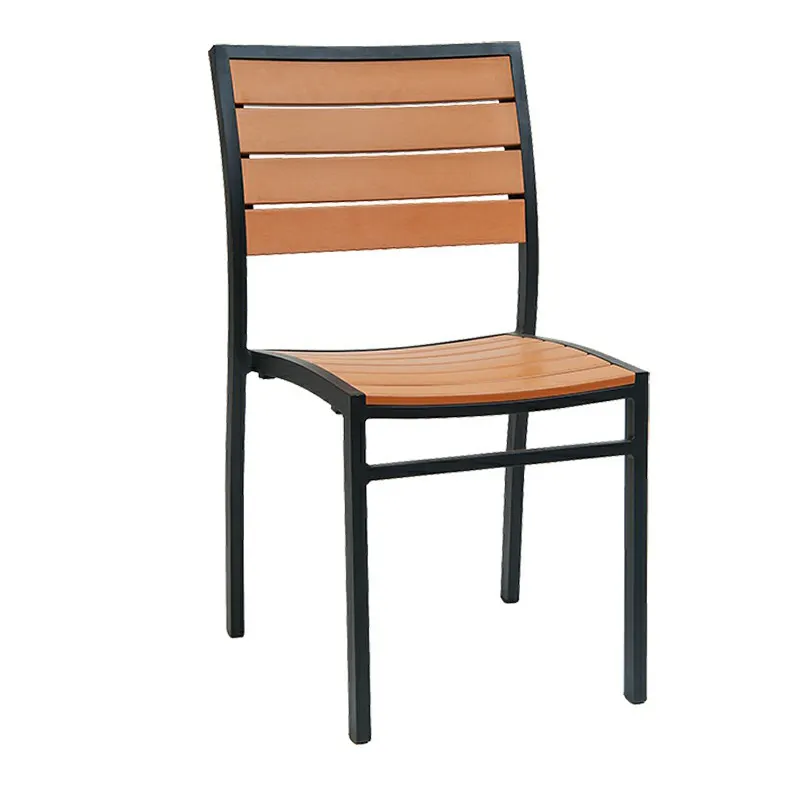
Focusing on product design for space efficiency, this article discusses slim-profile frames, stackable or ganging (connectable) options, and lightweight for easy rearrangement. It demonstrates how smart design allows venue owners to maximize capacity without sacrificing style or comfort, a key value for wholesalers serving the hospitality sector.
**Slim-Profile Frames: Maximizing Usable Space**
One of the primary considerations in space-efficient design is the chair’s physical footprint. Aluminum’s inherent versatility allows designers to craft chairs with thin yet robust frames, reducing bulkiness without compromising durability. Slim-profile aluminum chairs occupy less floor area, thereby maximizing the number of chairs that can fit comfortably within a given space. This is particularly advantageous in venues where every inch counts, such as compact bistros or pop-up dining events.
The slender design also benefits the overall aesthetic of a venue. Sleek aluminum frames bring a modern and minimalist feel, helping create an open, airy atmosphere even when the seating density is high. Moreover, the inherent strength of aluminum permits the use of narrow tubing or flat sections in chair construction, allowing for clean lines and elegant curves that are visually unobtrusive but structurally sound, encouraging unrestricted movement for guests.
**Stackable and Ganging Options: Versatility in Arrangement**
Flexibility is a vital feature in hospitality seating, and aluminum restaurant chairs excel thanks to their adaptability. Stackable designs allow venue owners to store multiple chairs efficiently when not in use, significantly freeing up valuable floor space. This functionality supports multi-use venues that need to transform layouts regularly—from intimate dining setups to large event configurations—without requiring permanent, space-hogging furniture installations.
Ganging, or connectable chair systems, further elevate space optimization by stabilizing seating arrangements in tighter rows. Chairs designed to interlock or connect side-by-side prevent undesired shifting, create neat, uniform rows, and reduce gaps that waste space. This is ideal for banquet halls, conference centers, or fast-casual restaurants where maintaining an organized and maximized floor plan is critical. Aluminum’s malleability supports mechanisms such as hooks, clips, or magnets integrated into chair legs or frames, facilitating easy connection and disconnection as needed.
**Lightweight Construction: Ease of Movement and Rearrangement**
Weight is a practical concern when managing dense seating layouts, and aluminum’s lightweight properties are a significant advantage. A chair that is easy to lift and move enables quick reconfiguration of seating plans, helping staff efficiently adapt to changing customer flows and event requirements.
This portability also supports frequent cleaning and maintenance schedules essential in hospitality settings, reducing labor costs and downtime. Despite their lightness, aluminum chairs maintain impressive strength, resisting bending, warping, or corrosion, which ensures long-term reliability even under high usage.
**Balancing Capacity with Comfort and Style**
High-density layouts should not translate into cramped, uncomfortable environments. Through thoughtful design, aluminum restaurant chairs deliver ergonomic seating that considers human posture and comfort, such as contoured backrests, seat padding options, and appropriate seat heights. Combining these ergonomic features with compact frames means patrons enjoy both comfort and efficient use of space.
Additionally, aluminum’s versatility extends to finishes and colors, allowing hospitality businesses to align chair design with their brand identity and ambiance. Powder coating and anodizing techniques enhance durability and offer a wide spectrum of hues and textures, from matte industrial looks to glossy, vibrant tones. This customizability affirms style as a core aspect along with functionality.
**Key Value for Wholesalers Serving the Hospitality Sector**
In conclusion, aluminum restaurant chairs optimized for high-density seating layouts embody a strategic intersection of innovation, utility, and style—qualities that meet the evolving demands of modern hospitality environments.
Conclusion
In conclusion, optimizing aluminum restaurant chairs for high-density seating layouts requires a careful balance of design innovation, material efficiency, and user comfort. By leveraging aluminum’s lightweight yet durable properties, restaurants can maximize space without compromising on aesthetics or functionality. Thoughtful considerations such as stackability, ergonomic design, and easy maintenance further enhance the practicality of these chairs in bustling dining environments. Ultimately, an optimized aluminum chair not only supports high-density arrangements but also contributes to a welcoming atmosphere, ensuring diners enjoy both comfort and style even in the busiest settings. As space becomes an increasingly valuable asset, embracing these optimization strategies can help restaurant owners create smart, efficient, and inviting dining experiences that meet the demands of modern hospitality.
Table of Contents
GET IN TOUCH WITH Us
Company
Products
Contact Us
Tel:+86 020 37512370/+86 0757 86908856 Email:gary@wsdseating.com bruce@wsdseating.com
Address: B1 Building,Industrial Avenue North, Shatou Industrial Park, Jiujiang Town,Nanhai District,Foshan,Guangdong, China
Copyright © 2026 WSD Seating - www.wsdseating.com | Sitemap | Privacy Policy