Please fill out the form below to request a quote or to request more information about us. please be as detailed as possible in your message, and we will get back to you as soon as possible with a response. we're ready to start working on your new project, contact us now to get started.
One shop wholesale commercial grade casinos, nightclubs, restaurants, and outdoor hospitality spaces- WSD Seating
What Are The Ergonomic Considerations In Designing Aluminum Restaurant Chairs For All-Day Comfort?
2026-01-15
WSD Seating
46
When it comes to creating the perfect dining experience, comfort plays a crucial role — especially when it involves seating that guests will use for hours on end. Aluminum restaurant chairs have become a popular choice for their durability and sleek design, but how do designers ensure these chairs provide all-day comfort? In this article, we explore the key ergonomic considerations that go into designing aluminum restaurant chairs that not only look great but also support diners’ posture and well-being throughout their visit. Discover the innovative features and thoughtful design elements that make comfort an essential part of every meal.
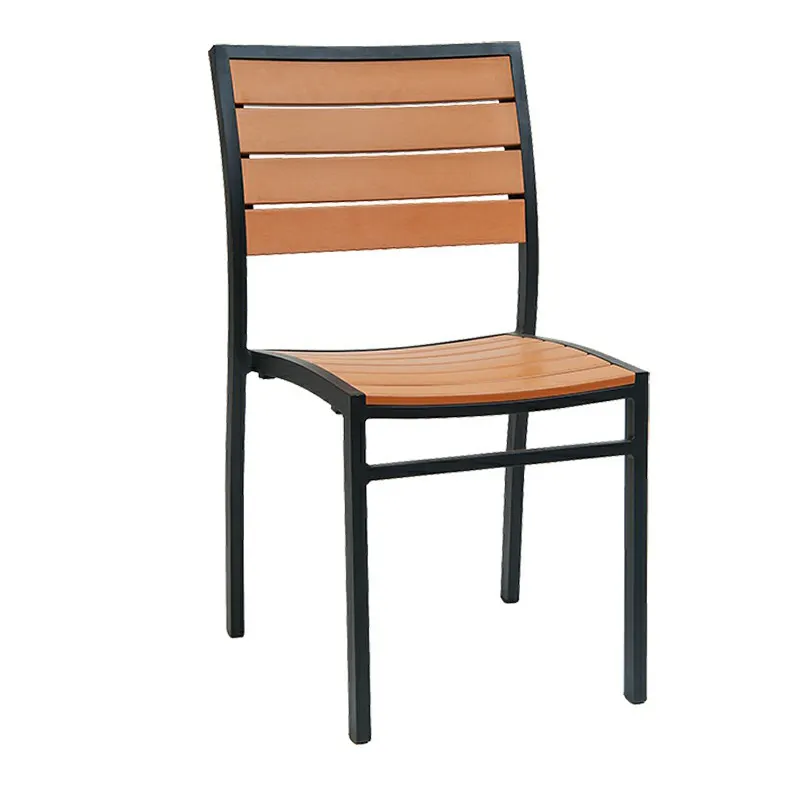
Moving beyond basic seating, this piece examines design for prolonged use. It covers seat contour, backrest angle and lumbar support, seat height relative to tables, and breathability of design—features that reduce patron fatigue and are a key selling point for full-service restaurants.
### Seat Contour: Shaping Comfort Through Form
One of the first ergonomic considerations is the contour of the seat itself. Aluminum restaurant chairs offer the advantage of being easily molded or pressed into shapes that support the body’s natural curves. A well-designed seat with a gently rounded front edge helps reduce pressure on the thighs, promoting healthy circulation during long sitting periods. Additionally, a slight concave shape cradles the sitter’s hips to improve weight distribution, thereby preventing discomfort and localized fatigue. The use of carefully designed seat contours in aluminum chairs, often enhanced with padding or ergonomic overlays, ensures that patrons experience comfort that surpasses simple utilitarian seating.
### Backrest Angle and Lumbar Support: Supporting the Spine’s Natural Curve
Designing for extended seating periods requires thoughtful attention to the angle of the backrest and the provision of lumbar support. Aluminum restaurant chairs can be engineered with adjustable or ergonomically angled backrests that align with the natural curvature of the spine. An optimal backrest angle typically ranges between 95 to 110 degrees, which encourages a relaxed posture without encouraging slouching or excessive reclining. Embedded lumbar support—either integrated into the chair’s frame or added as a cushioned feature—helps maintain proper spinal alignment. By reducing strain on the lower back muscles, this support minimizes back pain frequently experienced by diners who remain seated for long durations. This ergonomic refinement is especially important in full-service restaurant settings, where the goal is to combine style with supportive comfort.
### Seat Height Relative to Tables: Ensuring Functional Compatibility
The relationship between seat height and table height is critical for both ergonomics and dining efficacy. Aluminum restaurant chairs should be designed with seat heights that correspond to standard table heights, generally ranging from 28 to 30 inches. An ideal seat height typically falls between 17 to 19 inches, enabling patrons to sit comfortably with feet flat on the floor and knees at roughly a 90-degree angle. This positioning reduces pressure under the thighs and allows for natural arm positioning while dining. Adjustable or varied height options in aluminum chairs can accommodate a range of table types and guest preferences, contributing to enhanced usability and comfort in diverse restaurant environments.
### Breathability of Design: Maintaining Comfort Through Ventilation
Breathability is often an overlooked ergonomic factor but plays a significant role in prolonged seating comfort. Aluminum restaurant chairs, by virtue of their metal construction, can sometimes feel cold or unyielding, but modern design innovations improve breathability to counter this. Perforations, mesh inserts, or strategically placed ventilation channels allow air to circulate, reducing heat buildup and moisture accumulation during longer seating periods. This improves the overall comfort level, especially in warmer climates or in busy dining rooms where chair occupants may remain stationary for extended times. Breathable designs help maintain a fresh feel and enhance the chair's appeal for full-service restaurants that prioritize patron satisfaction.
### Why Aluminum?
The choice of aluminum as the primary material for these restaurant chairs further optimizes ergonomic and functional performance. Aluminum’s lightweight nature facilitates easy movement and cleaning, while its durability ensures long-lasting support without warping or weakening under heavy daily use. Additionally, aluminum’s adaptability to various finishes, coatings, and textures supports ergonomic enhancements without sacrificing aesthetic appeal. The metal’s inherent strength enables thinner profiles that integrate ergonomic elements such as contouring and support ribs without bulkiness, making aluminum restaurant chairs not only comfortable but also stylish and space-efficient.
Conclusion
In conclusion, designing aluminum restaurant chairs with ergonomic principles in mind is essential to achieving all-day comfort that benefits both patrons and restaurant owners alike. By thoughtfully balancing lightweight durability with supportive contours, adjustable features, and breathable materials, designers can create seating that reduces fatigue and encourages better posture throughout long hours. Moreover, incorporating user-centric ergonomics not only enhances the dining experience but also contributes to increased customer satisfaction and repeat business. As restaurants continue to prioritize comfort alongside style and practicality, ergonomic design will remain a cornerstone in crafting aluminum chairs that truly stand the test of time—and comfort.
Table of Contents
GET IN TOUCH WITH Us
Company
Products
Contact Us
Tel:+86 020 37512370/+86 0757 86908856 Email:gary@wsdseating.com bruce@wsdseating.com
Address: B1 Building,Industrial Avenue North, Shatou Industrial Park, Jiujiang Town,Nanhai District,Foshan,Guangdong, China
Copyright © 2026 WSD Seating - www.wsdseating.com | Sitemap | Privacy Policy