Please fill out the form below to request a quote or to request more information about us. please be as detailed as possible in your message, and we will get back to you as soon as possible with a response. we're ready to start working on your new project, contact us now to get started.
One shop wholesale commercial grade casinos, nightclubs, restaurants, and outdoor hospitality spaces- WSD Seating
How To Compare The Cost-Effectiveness Of Aluminum Bistro Chairs Vs. Other Materials?
2026-01-19
WSD Seating
20
When it comes to furnishing your outdoor or indoor space, choosing the right bistro chairs is crucial—not just for style and comfort, but also for value. Aluminum bistro chairs have gained popularity for their sleek look and durability, but how do they really stack up against chairs made from other materials? In this article, we'll dive deep into comparing the cost-effectiveness of aluminum bistro chairs versus options like wood, plastic, and wrought iron. Whether you're outfitting a cozy café or sprucing up your patio, understanding the upfront costs, maintenance, and long-term benefits will help you make an informed decision that suits both your budget and aesthetic. Read on to discover which material offers the best balance of quality and cost!
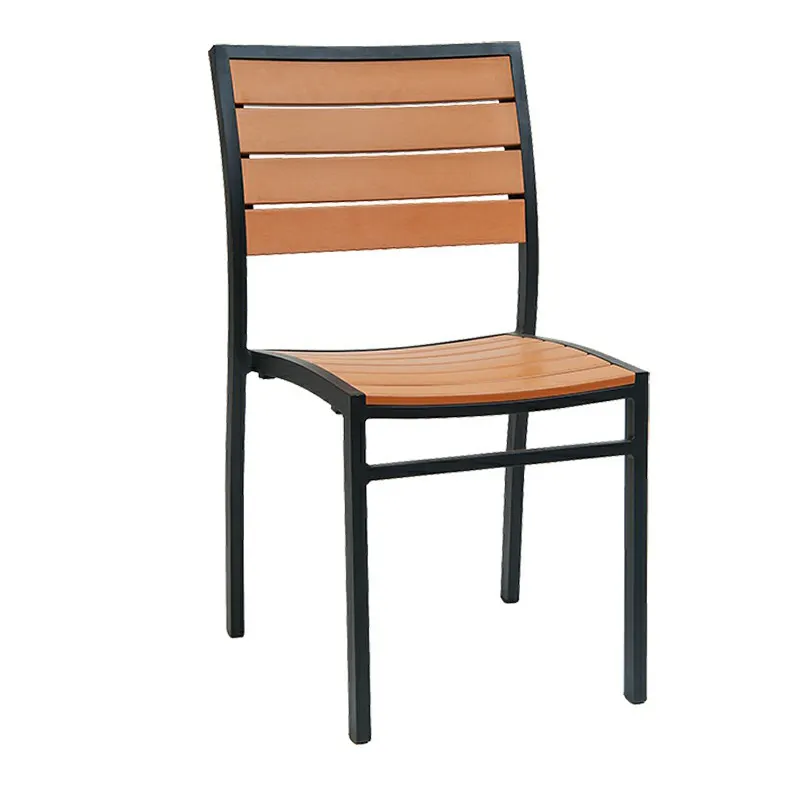
A practical guide for wholesalers making sourcing decisions. It presents a total cost of ownership analysis, comparing initial price, expected lifespan, maintenance costs, and replacement frequency of aluminum chairs against alternatives like wrought iron, plastic, or wood.
**A Practical Guide for Wholesalers Making Sourcing Decisions: Total Cost of Ownership Analysis of Aluminum Bistro Chairs vs. Alternatives**
When wholesalers consider expanding or updating their inventory of outdoor seating options, the choice of material plays a crucial role in determining profitability and customer satisfaction. This guide focuses on helping wholesalers make informed sourcing decisions by analyzing the total cost of ownership (TCO) of aluminum bistro chairs in comparison to alternatives such as wrought iron, plastic, and wood. By examining factors like initial price, expected lifespan, maintenance costs, and replacement frequency, wholesalers can better evaluate cost-effectiveness and long-term value.
**Initial Price Considerations**
The initial purchase price often influences first impressions of affordability for any product. Aluminum bistro chairs generally offer a competitive entry price relative to wrought iron and high-quality wood chairs but are usually priced somewhat higher than plastic alternatives. Wrought iron chairs tend to command a premium cost due to their heavy materials and craftsmanship, while plastic chairs benefit from low material costs and simple manufacturing processes, leading to the lowest upfront prices.
However, initial cost alone can be misleading without considering durability and subsequent expenses. Aluminum chairs are often regarded as a mid-tier priced option. Their lightweight construction and corrosion-resistant properties typically justify the price, especially when compared to the higher upfront expense of wrought iron or the frequent replacements required for plastic seating.
**Expected Lifespan**
Aluminum bistro chairs are renowned for their impressive longevity, frequently lasting 8 to 15 years or more under typical outdoor conditions. Their resistance to rust and weathering makes them ideal for patio, café, or hospitality use where exposure to the elements is constant.
By contrast, wrought iron chairs, although structurally robust, require regular protective coatings to prevent rust and often have a longer lifespan if well-maintained, typically exceeding 15 years. Plastic chairs, on the other hand, tend to degrade faster with exposure to UV rays and temperature variations, often needing replacement every 3 to 5 years. Wood chairs vary greatly in lifespan depending on the type of wood and finish but generally require more attentive maintenance to avoid rot, warping, and insect damage, commonly lasting between 5 and 10 years.
**Maintenance Costs**
Maintenance is a significant variable in the total cost of ownership. Aluminum bistro chairs usually demand minimal upkeep. Periodic cleaning with mild soap and water is sufficient to maintain their appearance and performance. Their rust-proof nature eliminates the frequent repainting or sealing required for wrought iron and wood alternatives.
Wrought iron chairs often require repainting or application of anti-rust coatings every 1 to 3 years, which adds labor and material costs. Wood chairs need regular sealing or staining to maintain their resistance against moisture and UV damage, often involving refinishing at least once per year. Plastic chairs, while low maintenance, are prone to brittleness and fading, necessitating frequent replacement rather than repair.
**Replacement Frequency and Impact**
Wholesalers must anticipate replacement cycles as a direct influence on procurement costs and inventory planning. Aluminum bistro chairs strike a balance, offering durability that diminishes the need for frequent restocking. Their extended service life reduces the pressure on wholesalers to reorder and maintain large inventories of replacement products.
Wrought iron’s longevity can minimize replacement frequency, but higher maintenance demands might offset these benefits. Plastic's short lifespan leads to high turnover, increasing logistical complexities and costs in replenishment. Wood seats, prone to wear and environment-induced damage, require careful rotation and eventual repurchase, creating variability in inventory management.
**Additional Factors Influencing the Decision**
Besides the core financial metrics, wholesalers should consider weight and ease of handling. Aluminum chairs are notably lightweight compared to wrought iron, facilitating shipment and handling, which can lower transport and labor costs. Moreover, aluminum’s aesthetic versatility—available in various finishes and colors—allows wholesalers to cater to diverse client preferences without compromising durability.
Sustainability also factors into sourcing decisions. Aluminum is highly recyclable, which can appeal to environmentally-conscious consumers and venues. Plastic chairs often struggle with environmental criticism, while wood can range from sustainable to less so based on sourcing practices.
Wholesalers seeking to optimize their product offerings would benefit from a holistic total cost of ownership approach when evaluating aluminum bistro chairs against wrought iron, plastic, and wood options. This analysis—focusing on initial cost, lifespan, maintenance, and replacement frequency—provides clarity beyond upfront price tags, positioning aluminum bistro chairs as a balanced, practical choice for long-term profitability and customer satisfaction.
Conclusion
In summary, evaluating the cost-effectiveness of aluminum bistro chairs against other materials requires a holistic approach—considering upfront costs, durability, maintenance, and long-term value. While aluminum chairs may come with a slightly higher initial price tag, their lightweight design, resistance to rust, and minimal upkeep often translate to savings down the line. Comparing these factors alongside aesthetic preferences and environmental impact will empower you to make a smart, informed choice that aligns with your budget and lifestyle. Ultimately, whether you prioritize economy, longevity, or style, understanding these dimensions ensures that your investment in bistro seating offers both functionality and lasting appeal.
Table of Contents
GET IN TOUCH WITH Us
Company
Products
Contact Us
Tel:+86 020 37512370/+86 0757 86908856 Email:gary@wsdseating.com bruce@wsdseating.com
Address: B1 Building,Industrial Avenue North, Shatou Industrial Park, Jiujiang Town,Nanhai District,Foshan,Guangdong, China
Copyright © 2026 WSD Seating - www.wsdseating.com | Sitemap | Privacy Policy